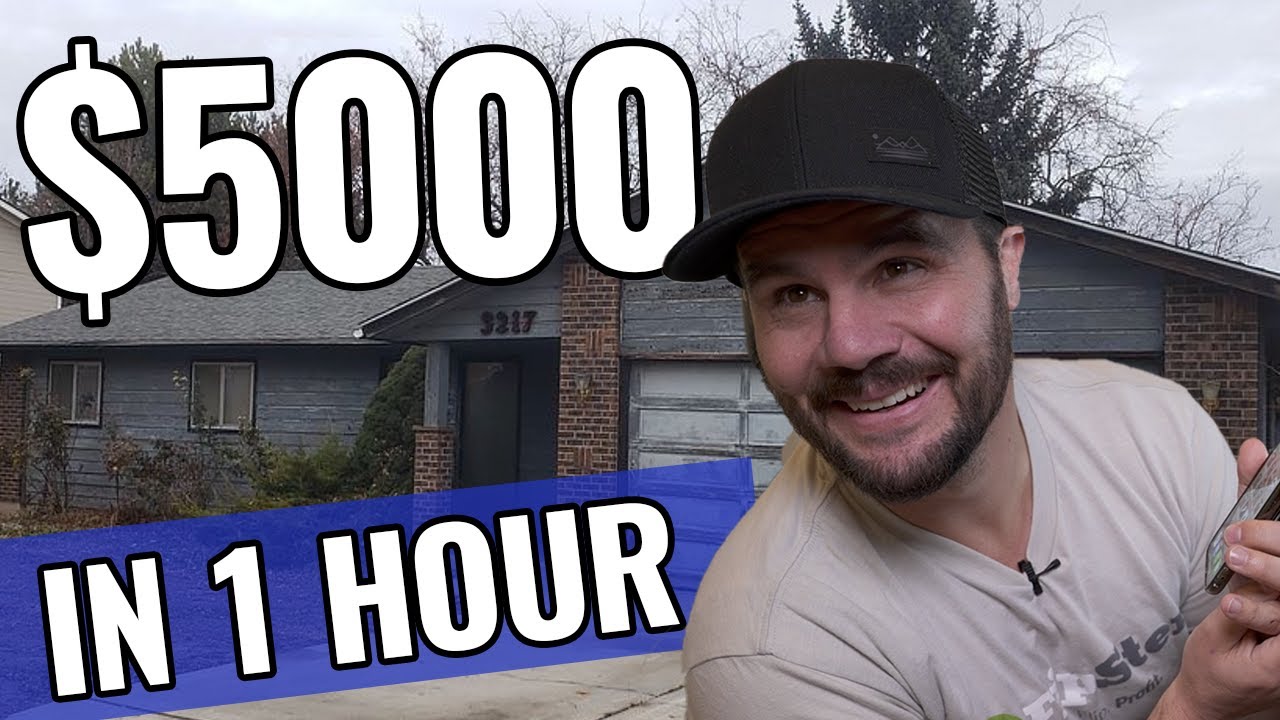
Beginner’s Guide to Wholesaling Houses Essentials
Wholesaling houses gives beginners an immediate foothold in the property market, centered around minimal upfront costs that yield rapid profits, yet grounded in strong bargaining and area-specific data insights. By following these steps, one captures a deal for less than the going rate, transferring those purchase privileges to another investor at a profit, essentially bridging the gap between distressed owners and opportunistic investors. Success hinges on finding properties priced below their true worth, allowing the investor to capture profit via swift contract flips. In the same way, knowledge of neighborhood dynamics secures reliable post-renovation projections, leading to deals where both seller and buyer find the terms advantageous These fundamentals compose the primary pillars for profitable wholesaling, guiding investors to identify, negotiate, and finalize deals systematically, and reducing potential losses by applying research at every step. Overall, wholesaling houses 101 arms newcomers with a rapid method for property returns, assuming they stay honest, thorough, and dedicated to finding strong opportunities.
Many beginners find wholesaling appealing due to its relatively low barrier to entry, because full-scale mortgages aren’t required to hold a place in a discounted deal, nor do credit histories often create insurmountable obstacles compared to conventional investments. Instead, success revolves around networking to find deals before the general market notices, as well as persuasive contract proposals that ensure owners see a quick solution to their problems. Experts emphasize ongoing promotion via targeted letters, social media posts, and industry gatherings, ensuring a steady flow of motivated homeowners who might consider a fast sale over a lengthy listing process. Resources from real estate investing blog WHOLESALINGHOUSESINFO.COM often aid newbies with step-by-step strategies and proven tactics. Insight gained there frequently simplifies the learning curve and prevents common mistakes, helping them avoid pitfalls like overestimating ARV, underestimating repairs, or rushing contract terms. Consistent determination and endurance prove essential, given many opportunities never pan out fully, though the few that work out can pay handsomely compared to the hours spent.
Key Stages of a Wholesaling Transaction
At the outset, pinpointing motivated seller homes stands as step one in the wholesaling roadmap, usually entailing investigating distressed occupant rosters, inheritance property lists, or vacant landlord data to spot undervalued deals. Next, contacting homeowners and gauging their level of urgency or desire to offload property sets the negotiation tone, leading to a scenario where fair but appealing offers can persuade them to accept a quick, hassle-free closing. Locking down the house under an assignable contract ensures the investor’s official involvement, resulting in the wholesaler passing on those acquisition privileges to a secondary investor holding final payment, while allowing the wholesaler to collect a margin spanning the original contract total and the sum the new buyer commits. Such contract flips carry cutoffs, implying urgency in advertising the listing and sourcing buyer interest, avoiding a scenario where the contract lapses or the homeowner grows impatient with delays. In the end, using legal escrow or settlement services secures that every signature and payment is handled properly, offering peace of mind for sellers, buyers, and the wholesaler by minimizing abrupt pitfalls.
Across these milestones, the flipper’s main objective is upholding honesty and balanced dealings, because a solid standing leads to repeated assignments and helpful word-of-mouth marketing. From mailers and street searching to meetups, a stable flow of potential sellers stands vital for transaction continuity, and dedicated contact software systematically organizes them by motivation or listing details for efficient negotiations. Reviewing neighborhood data and estimating property upgrades halts inflated purchase amounts that can sabotage your margins or deter back-end buyers, thus strict attention to these figures secures a workable arrangement right from the early stages. drives deeper exploration of strategies and best practices that complement your day-to-day efforts, confirming you thrive where efficiency and planning define the winners.
For more information on wholesaling houses, go to: property flip software
Negotiation and Relationship Building
Effective negotiation requires respecting the owner’s situation while presenting beneficial terms, leading to a deal that resonates with both parties’ objectives, rather than forcing a one-sided arrangement that benefits only you. Fostering a bond requires validating the occupant’s obstacles and consistently demonstrating honesty, laying groundwork for straightforward closings and minimal cold feet. Simultaneously, learning what the final investor seeks—renovation projects or steady cash flow—allows for accurate property pairing, amplifying your image as a reliable connector offering relevant prospects. Sustained achievement arises from keeping a robust roster of proven investors or affiliates who execute deals efficiently, because any dip in demand leaves quality agreements stranded without a final taker. Dialogue stays critical: delivering timely disclosures on defects or legal modifications maintains trust and supports openness.
In higher-stakes talks, many professionals practice dialogues through mock sessions, allowing them to sharpen their pitch and manage seller resistance effectively. Nonetheless, sincerity remains paramount, given owners typically appreciate an honest approach over aggressive moves. Regular pings, by phone or message, signal your commitment and readiness to seal the contract, stopping them from seeking alternative solutions or doubting your seriousness. Transparency about potential fees, projected timelines, and contract details wards off confusion down the line. Cultivating ties with closing agents or legal counsel can streamline any compliance hurdles, giving assurance that everything is legally sound and properly handled from start to finish.
How to Address Typical Obstacles in Wholesaling
One frequent issue arises when ARVs are overestimated, leaving too little profit for the end buyer to find the deal appealing, meaning your contract assignment might fail to close or you must renegotiate under tighter terms. Similarly, some sellers remain unconvinced that a lower offer is fair, especially if emotional ties to their home cloud judgment, hence furnishing solid data and itemized rehab forecasts offers credibility to your stance. Inconsistencies in local laws or assignment regulations can also trip up new wholesalers, thus requiring an informed counsel or trained adviser for abiding by area-specific mandates, preventing nullified deals, penalties, or negative publicity stemming from accidental breaches. A funding snag arises if the assigned buyer’s loan falls through, threatening the entire transaction, which is why having multiple backup buyers or focusing on cash investors provides added security. Contenders in active markets sometimes inflate contract bids, eroding your net if the property had minimal profit room, thus exploring under-the-radar ZIP codes or perfecting your outreach to discover hidden bargains sets you apart.
Many first-timers scramble to pass deals on, ignoring if the end purchaser’s goals align, leading to canceled deals or soured relationships once mismatches come to light. Remaining cautious is important, but delaying excessively may push prospects toward faster-moving competitors, where mastering such equilibrium regularly defines who scales steadily versus who stalls quickly. speedily links you to broader knowledge that can fortify your property strategies, confirming every aspect of your journey is fully supported for maximum returns. In conclusion, ongoing introspection, responsiveness to shifting conditions, and upgrading your communication anchor your resilience.
Building a Buyer’s List and Scaling Operations
A robust buyer’s list stands at the heart of any thriving wholesaling enterprise, offering ready investors to assign your contracts to, reducing the chance that deals fall through or drag on, hurting profit margins. Engaging in meetups, social platforms, or professional associations broadens such lead pipelines, while consistent communication keeps your name top-of-mind for potential buyers hunting for their next property. When growing bigger, sorting investors by property type—like heavy rehab or turnkey—improves matching success, thus generating laser-focused promotions that talk directly to each investor category. Pre-set reminders and blasts ensure no prospective buyer misses out whenever something matching their preference arises, preventing the surge of incoming leads from drowning you in clerical tasks. Shifting time-consuming roles—like local home checks or promotional creation—grants space for bigger-picture thinking, allowing deeper market penetration, synergy with other experts, or sophisticated deal-closing improvements. Tracking metrics such as average contract fee, deal velocity, and marketing ROI reveals how well your scaling efforts are working, leading to swift modifications whenever certain plans fail or preferences evolve. Scalability also depends on forging partnerships with reliable contractors or real estate agents who can verify property conditions swiftly, supporting consistent valuations and fostering belief among buyer networks in your thoroughness.
A carefully cultivated reputation draws more repeat deals, referrals, and even passive leads from satisfied buyers or sellers, which means guaranteeing smooth client interactions across each step builds stability even if the market shifts. Through gradual, organized growth, you mitigate threats and keep standards high with each new listing, thereby equipping you to endure recessions but exploit expansions smoothly. Eventually, an extensive buyer’s list and a dependable network lay the groundwork for exploring other investment avenues like fix-and-flips or rental portfolios, transforming your flipping platform into a launchpad for more ambitious asset building. Summed up, creating a flourishing operation demands careful expansion, balancing new deals, resource management, and unwavering focus on delivering real value to clients.
To learn more about wholesaling houses 101, visit: best real estate investor software
Building an Enduring Wholesaling Career
Ongoing learning about neighborhood shifts, legal changes, and finance methods maintains your standing in a competitive domain, as property climates can alter rapidly, particularly when financial policies shape consumer moods. Engaging with fellow wholesalers, attending seminars, or joining masterminds fosters idea-sharing, fresh insights, and sometimes joint ventures, extending your scope beyond personal guesswork alone. steers you toward specialized tactics and case studies that can refine your approach further, confirming you keep progressing rather than slipping into complacency. In spite of expertise levels, maintaining modesty and listening to advice unveils areas for improvement or overlooked deals, allowing upgrades in your workflow that sustain agility, foresight, and readiness for unfamiliar territory. Diversifying your marketing—perhaps adding probates, auction leads, or commercial properties—prevents overdependence on one source, defending you from instant market alterations that threaten your usual wellspring of prospective listings. Finally, a long-term outlook means viewing each deal not just as a payday, but as a foundation for stronger networks, refined negotiation skills, and expanded expertise, thus converting these foundational lessons into a flexible enterprise that navigates any real estate climate.